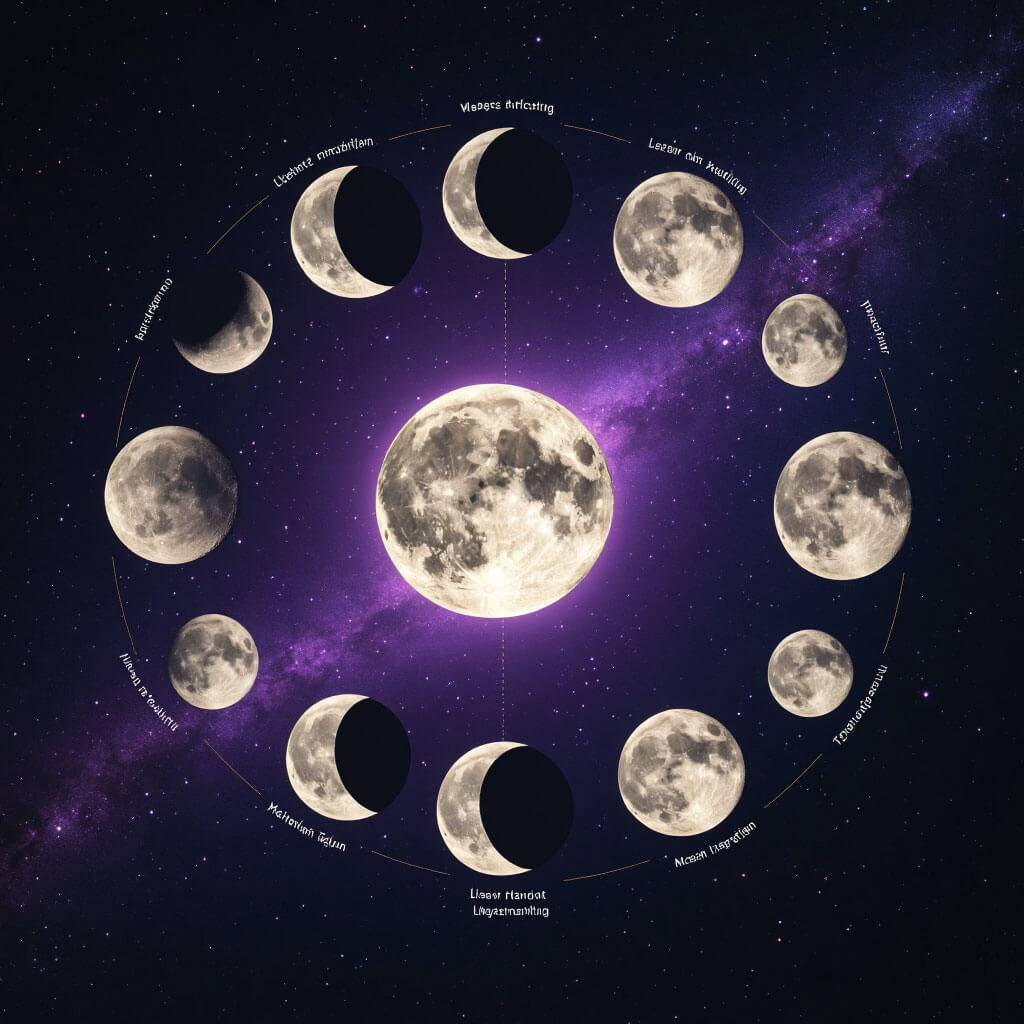
Complete visual representation of the eight primary lunar phases from New Moon to Waning Crescent

The Lunar Calendar: Mapping Time by Moonlight

An ancient, persistent method of marking time that speaks to cycles of reflection, renewal, and natural rhythm—not prophecy.

Why Observe Lunar Cycles?

Long before artificial light defined our days, humanity scheduled its life by the Moon's silent pulse. The lunar calendar isn't mystical; it's a historical and cultural record of aligning human activity with the most visible celestial clock. Its resurgence in modern discourse isn't about recovering lost magic, but about recognizing a fundamental human impulse: to find pattern and meaning in natural cycles.

This section doesn't offer predictions. It offers context. By understanding the phases, we gain a language for discussing the psychological archetypes of beginnings, culminations, and releases that these cycles have symbolized across cultures.

Analytical Perspective: The interpretations provided here are cultural and psychological frameworks. They describe common themes and tendencies associated with lunar phases based on historical observation and narrative tradition, not causal outcomes or guaranteed effects on personal events.

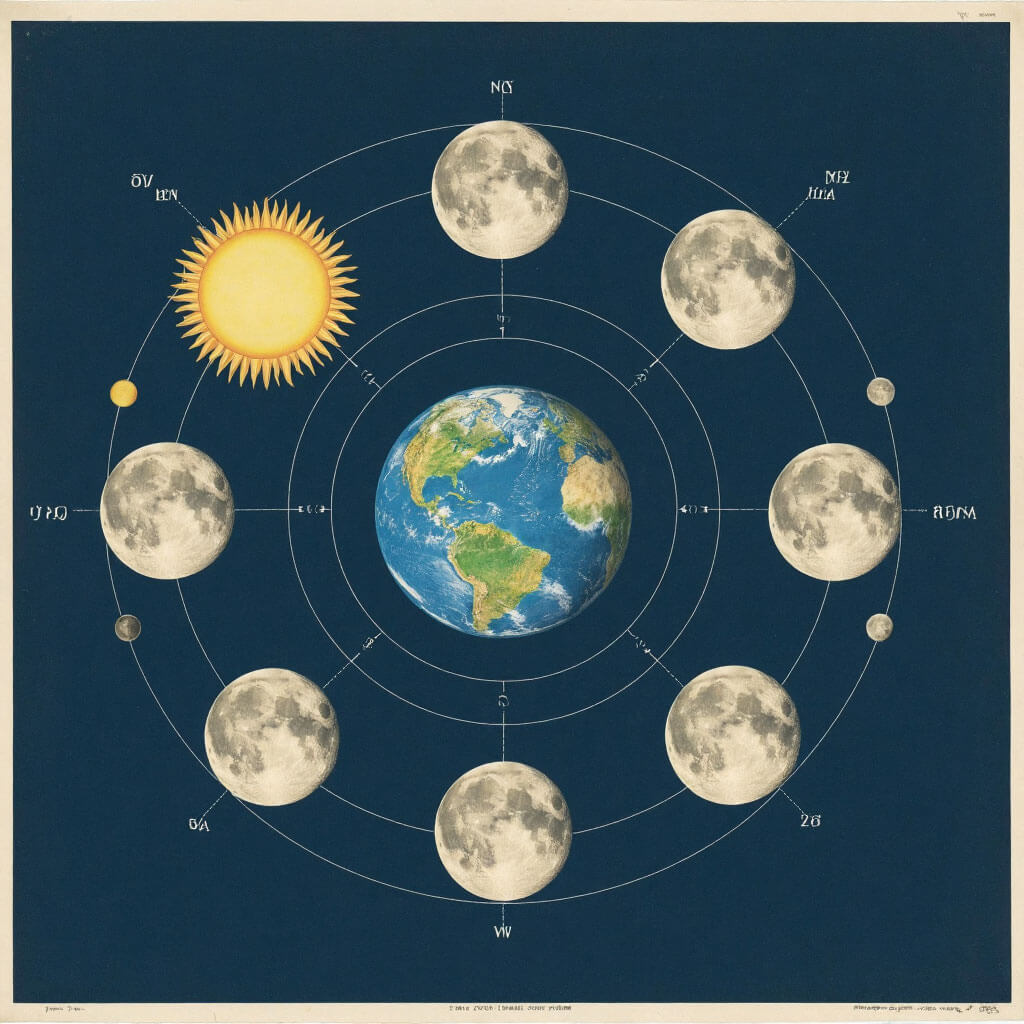
Diagram explaining the astronomical mechanics of lunar phases: positions of Sun, Earth, and Moon

The geometry of light: Lunar phases are a product of perspective, not change in the Moon itself. A reminder that what we perceive is often a matter of position and illumination.

The Clockwork Behind the Glow

The Moon's 29.5-day cycle is one of the most reliable planetary cycles observable to the naked eye. Its phases result from the changing angular relationship between the Sun, Earth, and Moon—a predictable dance of orbital mechanics. This reliability is precisely what made it such a potent tool for early timekeeping.

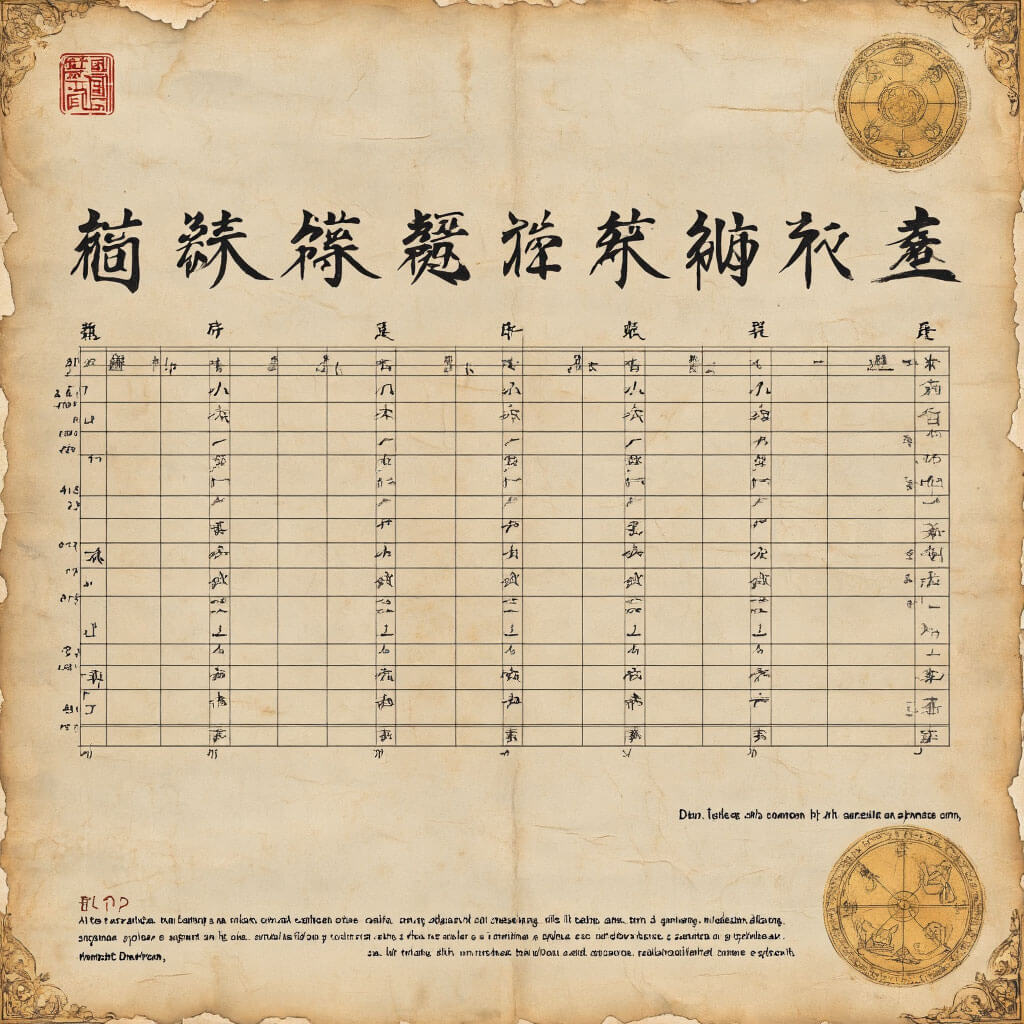
Different cultures sliced this cycle differently—into 4 quarters, 8 phases, or 28-30 lunar "mansions." The Chinese system, for instance, is lunisolar, intricately balancing moon cycles with solar years to keep seasons aligned. This complexity reveals a deep intellectual effort to synchronize human time with cosmic time.

The Eight Phases: A Thematic Framework

Each phase represents a different point in the cycle of project, energy, or intention. Consider these as narrative positions in a recurring story, not instructions.

1

New Moon

🌑

The symbolic blank slate. Culturally associated with beginnings, setting intentions, and internal planning. Psychologically, it mirrors the moment of conception for an idea—all potential, no visible form.

Inception Potential Introspection
2

Waxing Crescent

🌒

The first visible sliver. Represents initial action, commitment to a course, and gathering resources. It's the phase of building momentum, where plans meet preliminary reality checks.

Initiation Momentum Focus
3

First Quarter

🌓

The half-illuminated moon. Often a point of decision, challenge, or adjustment. Energy meets resistance, requiring evaluation and problem-solving. A natural checkpoint in any process.

Decision Challenge Adjustment
4

Waxing Gibbous

🌔

Refinement and preparation. With the goal in sight, this phase involves polishing, correcting course, and building towards culmination. It's the final push before manifestation.

Refinement Preparation Anticipation
5

Full Moon

🌕

The peak of illumination. Symbolizes culmination, clarity, revelation, and the height of energy. Psychologically, it can correlate with moments of insight or when things come to light—for better or worse.

Culmination Clarity Revelation
6

Waning Gibbous

🌖

Integration and gratitude. Following the peak, this phase involves digesting results, sharing insights, and giving thanks. Energy begins to turn inward toward reflection.

Integration Gratitude Dissemination
7

Last Quarter

🌗

Release and forgiveness. A time to let go of what isn't working, to forgive mistakes, and to clear space. This phase supports cutting away the obsolete to make room for the new cycle.

Release Forgiveness Re-evaluation
8

Waning Crescent

🌘

Surrender and rest. The final phase before renewal. A period for rest, healing, and subconscious processing. It completes the cycle, allowing for the emptiness necessary for a true new beginning.

Surrender Rest Completion
A stylized illustration of an ancient lunar calendar page with notations and symbols

The Modern Relevance: Rhythm Over Rule

So, what do we do with this knowledge? The lunar calendar's value today lies in its offer of rhythm. In a world of constant linear progress, it provides a cyclical counterpoint—a reminder that all processes have seasons of action and rest, outward expression and inward reflection.

Using it as a framework for self-observation can be insightful. Do you notice personal tendencies aligning with certain phases? That's less about the Moon causing behavior and more about you synchronizing your internal narrative with an external rhythm—a powerful psychological tool.

In the end, the lunar calendar is less about divining the future and more about understanding the present through a different, slower, more reflective temporal lens. It's not a guide to what will happen, but a mirror for what is happening within the natural—and our own—cycles of change.
Abstract celestial pattern background with orbital lines and constellations

Patterns Within Patterns

The lunar calendar represents just one layer in the multidimensional study of cyclical time. If you found this framework useful for reflection, consider how it intersects with other symbolic systems. Each offers a different lens—none provides a complete picture, but together they form a richer mosaic of understanding.

Remember: These are tools for contemplation, not prediction. Their value lies in the questions they raise, not the answers they supposedly give.

The study of cycles reminds us that time isn't linear—it's a spiral. We encounter similar themes repeatedly, each time with slightly more perspective. These systems document that phenomenon, not control it.